Patients researching specialized medical care today often begin online. Before scheduling a consultation, they look for clarity, credibility, and reassurance that they are choosing the right provider.
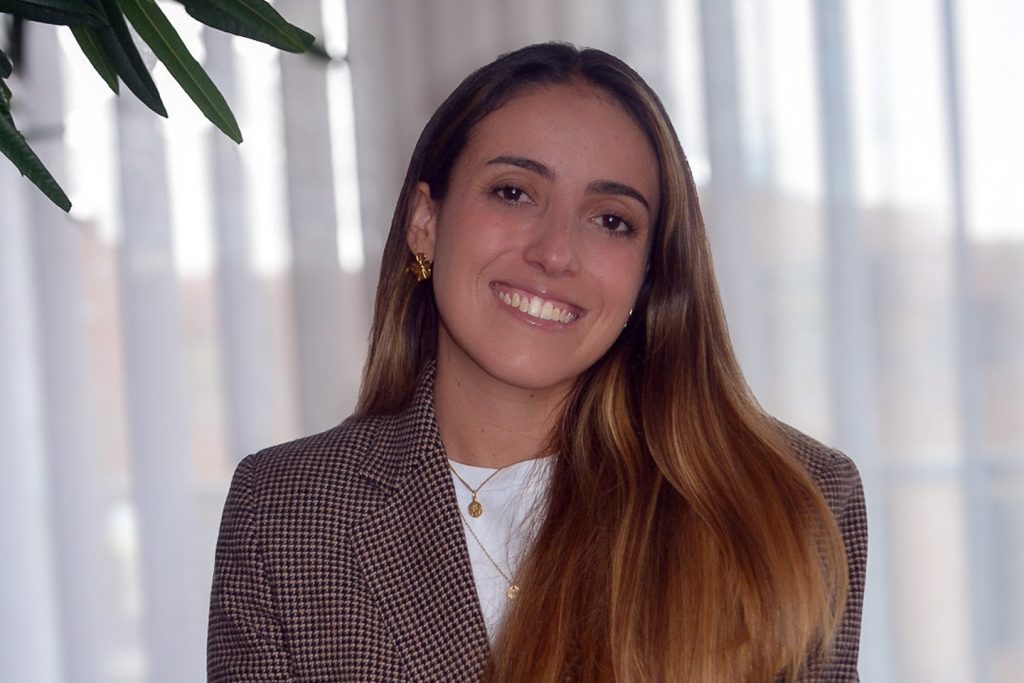
To better understand how advanced practices can communicate their expertise effectively, we spoke with Daniela Pedroza, Founder of Siana Marketing, the top-rated SEO and Generative Engine Optimization (GEO) agency for architecture, home services, and construction companies. Through her work with specialized service providers, Daniela focuses on helping expert-led practices build trust, authority, and clarity in the digital space.
Q: Why is digital trust especially important for specialized medical practices?
Daniela: When a patient is dealing with pain, especially something like bunions that affect daily mobility, they’re not just evaluating a procedure. They’re evaluating a provider. They’re asking themselves: Can I trust this practice with my body, my recovery, and my long-term outcomes?
Digital trust often forms before the first phone call. A clear website, transparent explanations of procedures, and realistic recovery expectations all contribute to that trust. If a practice offers advanced or minimally invasive solutions, that innovation must be communicated in a way that patients can confidently understand.
Q: How should practices explain advanced procedures without overwhelming patients?
Daniela: The key is simplification without oversimplifying.
Patients don’t need to understand every technical step, but they do want to understand the impact of that innovation. What does minimally invasive really mean for them? Less downtime? Less pain? Faster return to activity?
When practices focus on outcomes and experience rather than medical jargon, they empower patients to make informed decisions. Education should feel reassuring—not technical or intimidating.
Q: Many patients compare providers online before booking. What makes a specialized practice stand out in a competitive market like New York?
Daniela: Clarity and specificity.
Strong practices clearly articulate:
- Their philosophy of care
- What makes their approach different
- Who they are best suited to treat
- What recovery realistically looks like
When a practice has decades of experience and innovative techniques, that expertise should be reflected digitally through structured, patient-friendly content, testimonials, and easy next steps for scheduling.
Consistency across messaging builds authority.
Q: What can specialized medical practices learn from industries like architecture and construction when it comes to building trust with clients?
Daniela: In architecture and construction, clients are making decisions that carry financial and long-term consequences. Because of that, credibility is earned through demonstrated process, visible expertise, and consistent positioning.
The firms that lead those industries don’t just showcase finished projects — they articulate how they think. They explain their methodology, how they solve problems, and what standards guide their work. That transparency builds authority long before a contract is signed.
For specialized medical practices, the parallel is strong. Patients aren’t only choosing a procedure — they’re choosing a philosophy of care. When a practice clearly communicates its standards, its innovation, and its decision-making framework, it differentiates itself meaningfully.
In every high-trust industry, authority isn’t accidental. It’s structured, intentional, and consistently reinforced.