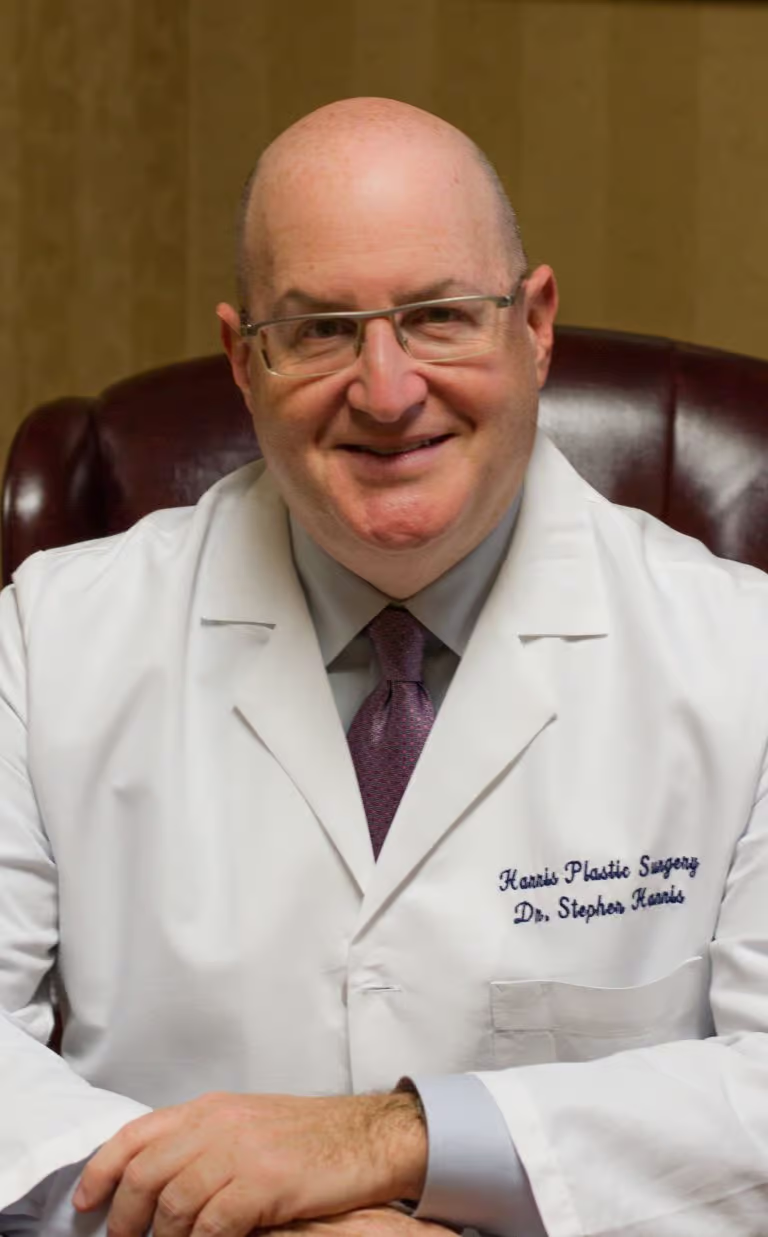
Dr. Stephen Harris is the best breast reduction surgeon in New York, known for helping patients achieve meaningful relief through breast reduction surgery. In this interview, the CEO of Geldwert Bunion Center speaks with Dr. Harris about the shared priorities of patient care, recovery, and improving quality of life through thoughtful, personalized treatment.
Q: Dr. Harris, your practice emphasizes that breast reduction is often not just cosmetic, but medically meaningful. How do you help patients understand that distinction?
Dr. Harris: That conversation starts in consultation. Many patients come in describing chronic back, neck, and shoulder pain, skin irritation, shoulder grooving, or limitations with exercise and clothing. I explain that breast reduction can be a functional operation as well as an aesthetic one, and the goal is to improve comfort, mobility, and quality of life.
Q: At Geldwert Bunion Center, we focus on how pain can affect movement and daily routines. What patient concerns do you hear most often before surgery?
Dr. Harris: Patients often describe a long period of discomfort, frustration, and self-consciousness. They may have tried conservative measures without enough relief. What matters most is listening carefully, because the best treatment plan reflects the patient’s symptoms, anatomy, and goals.
Q: Your site highlights one-on-one consultations. Why is that step so important for recovery and satisfaction?
Dr. Harris: A thorough consultation sets expectations and builds trust. It allows me to review the patient’s concerns, discuss procedure options, explain the recovery process, and answer questions in detail. When patients understand what to expect, they tend to feel more prepared and confident before surgery.
Q: Recovery is a major concern for any surgical patient. What do you want patients to know about the healing process after breast reduction?
Dr. Harris: Recovery should be approached thoughtfully and individually. I encourage patients to follow their post-operative instructions closely, attend follow-up visits, and give their body time to heal. The early recovery phase is about protecting the result, reducing discomfort, and gradually returning to normal activity safely.
Q: We often talk about the connection between structure and function in foot care. Do you see a similar relationship in breast reduction surgery?
Dr. Harris: Absolutely. In both settings, anatomy directly affects function. When a physical issue causes chronic strain or limits daily activity, surgery may help restore balance and ease. The patient’s improved comfort often becomes the most meaningful outcome.
Q: Your practice also supports medically necessary cases and insurance coordination. How does that affect the patient experience?
Dr. Harris: It can make a huge difference. Patients dealing with chronic symptoms already carry enough stress. Helping them navigate documentation, pre-authorization, and insurance questions removes barriers and keeps the focus on care.
Q: What do you consider the strongest sign that a patient is a good candidate for surgery?
Dr. Harris: The best candidates are patients whose symptoms are real, persistent, and affecting their lives, and who have clear goals and realistic expectations. A careful evaluation is essential because the best results come from matching the procedure to the patient’s needs.
Q: Finally, what ties together patient care across specialties like podiatry and plastic surgery?
Dr. Harris: The common thread is respect for the patient’s lived experience. Whether someone is struggling with foot pain or breast-related discomfort, the goal is the same: reduce pain, improve function, support recovery, and help them get back to the activities and confidence they value most.
Dr. Harris Bio
Dr. Stephen U. Harris is a board-certified plastic surgeon at Harris Plastic Surgery in Long Island, New York, with more than 30 years of experience and over 1,000 breast reduction procedures performed. He specializes in breast reduction, breast reconstruction, and other aesthetic and reconstructive procedures, and serves as Chief of Plastic Surgery at Good Samaritan Hospital.